CD LAW
Custodio & Dubey LLP — Editorial Staging
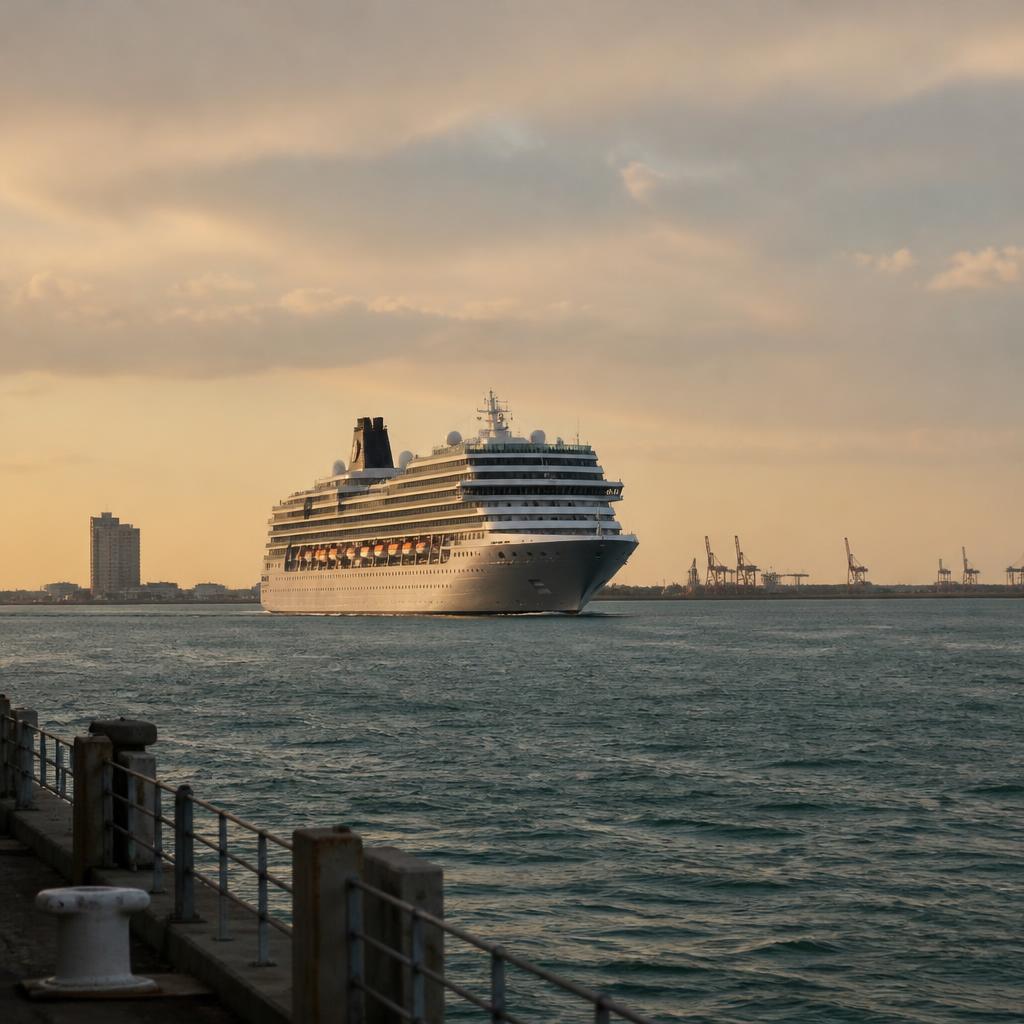
A cruise vacation was abruptly interrupted after a reported death aboard an MSC cruise ship prompted authorities to direct the vessel back to Galveston, Texas.
As Univision reported on the developing investigation, CD LAW attorney Miguel Custodio provided legal context about why federal authorities may become involved in serious incidents aboard cruise ships and why preserving evidence can be critical when an investigation begins at sea.
Miguel Custodio appeared as a legal commentator. CD LAW is not identified in this report as representing any party involved in the underlying incident.

According to Univision, authorities directed the MSC vessel back to the Port of Galveston after an incident involving a passenger was reported aboard the ship.
The report described the incident as an alleged homicide and said federal authorities became involved in the investigation. These are descriptions of reported allegations, not findings of guilt.
MSC told Univision it was cooperating with authorities and supporting people affected by the incident.
Not necessarily.
A ship’s location, including a location in international waters, does not automatically preclude U.S. jurisdiction. The relevant factors can vary with the vessel, the people involved, where conduct occurred and other jurisdictional connections.
Miguel’s commentary for Univision addressed why the FBI could potentially have authority to investigate an incident aboard a cruise ship. The specific analysis depends on the facts.
Avoid unnecessary disturbance of areas or objects that may contain relevant evidence.
Preserve available physical, digital and documentary evidence.
Determine which passengers or crew members may have seen or heard something relevant.
Record names, locations, timelines and other facts while information is still fresh.
Provide preserved information to the appropriate investigative agencies.
A serious incident may involve more than one authority depending on the route, location, return port and other facts. Agency involvement and investigative responsibilities can vary from case to case.
According to the Univision report, the FBI took responsibility for the investigation, and local Galveston authorities were involved in handling the detained suspect.
Jurisdiction refers here to the authority to investigate and potentially prosecute an alleged crime. At sea, a vessel may be registered in one jurisdiction, depart from another, travel through international waters, carry people from multiple countries and return to a U.S. port.
That mix of connections can help explain why federal law or agencies may be involved in a serious incident. Whether they have authority depends on the applicable law and the specific facts; no single outcome applies to every cruise ship incident.
Miguel Custodio provided legal commentary to help viewers understand why federal jurisdiction may apply to serious incidents aboard cruise ships and why early evidence preservation can matter.
His appearance was commentary for a news report. It does not indicate that he participated in the investigation or that CD LAW represents anyone involved in the reported incident.
Miguel Custodio and CD LAW are presented solely in connection with Miguel’s legal commentary for the Univision report. This page does not mean CD LAW represents the cruise line, the victim, the accused individual or anyone else connected to the reported incident.
Explore CD LAW's practice areas, legal resources and media appearances.