

California comparative fault

What Happens If I'm Partially at Fault for an Accident in California?

Being partly responsible for an accident does not automatically mean you have no claim. California law allows responsibility to be divided between the people involved.

CD LAW · LOS ANGELES PERSONAL INJURY
Fault isn't always binary
YOU MAY HAVE MADE A MISTAKE.
THAT DOESN'T NECESSARILY END THE CLAIM.

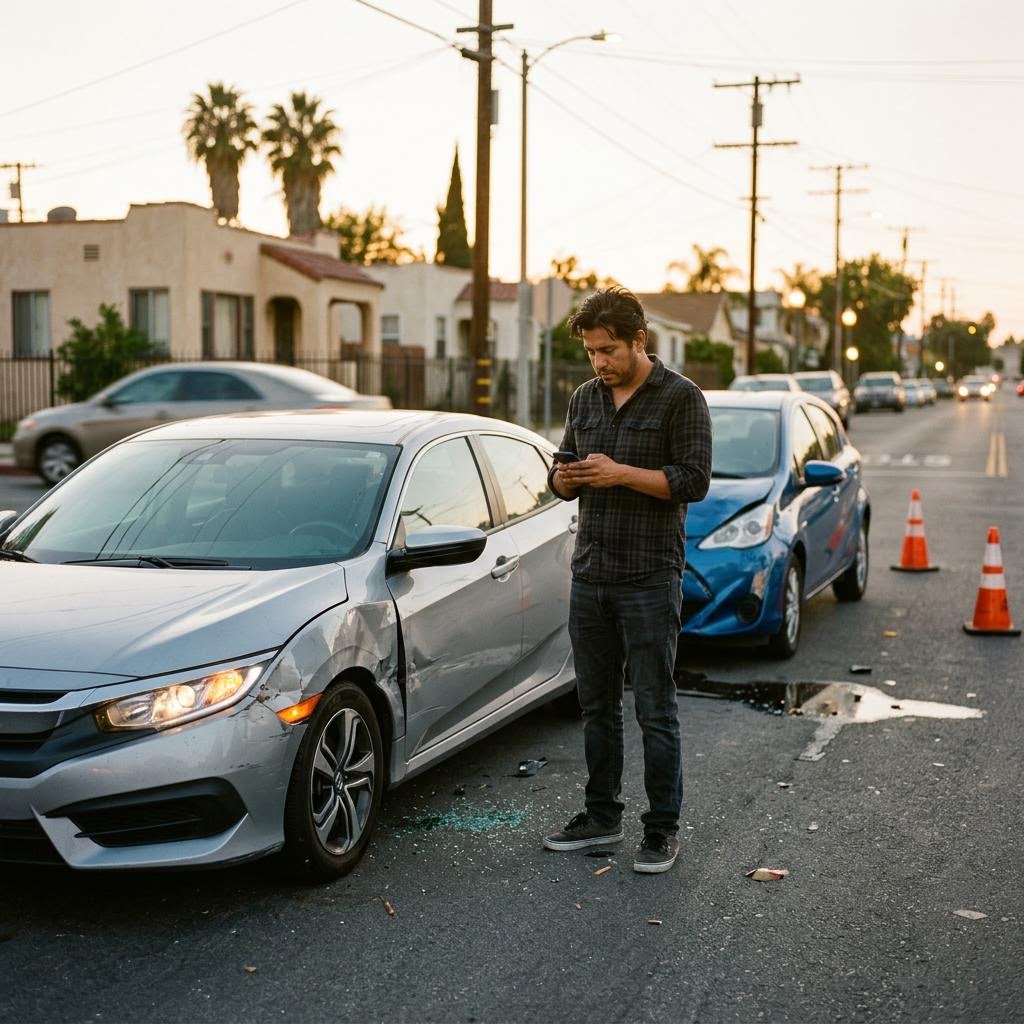
An accident can involve shared responsibility. California’s comparative fault system asks how each person’s actions contributed, rather than treating every case as an all-or-nothing question.

The California rule

What Is Comparative Negligence?

100% TOTAL RESPONSIBILITYHYPOTHETICAL
70%Driver A
30%Driver B
Hypothetical example — for educational purposes only
California generally permits an injured person to pursue compensation even when that person contributed to the accident. The amount may be reduced according to the percentage of responsibility assigned to them. Fault is a factual question, and the answer depends on the evidence and circumstances.
The percentage matters

How Does Partial Fault Affect Compensation?

$100,000
hypothetical damages
25%
hypothetical fault
$75,000
hypothetical recovery after reduction

This is a simple illustration, not a prediction. The value of a claim, the percentage of fault, and the evidence supporting each position all require careful evaluation. Hypothetical — not a CD LAW case result.

FAULT IS NOT ALWAYS
100 / 0.

The dispute

Who Determines How Much Fault Each Person Has?

Fault positions can come from many places. Drivers describe what they saw; insurers assess claims; attorneys investigate; witnesses and experts provide context; and a judge or jury may decide a contested matter.
  • Drivers
  • Insurance companies
  • Attorneys
  • Investigators
  • Witnesses
  • Experts
  • Judge or jury
  • An insurer’s position may affect negotiations, but it is not necessarily the final legal determination.
    The details matter

    What Evidence Can Affect Fault?

    01

    PHOTOGRAPHS & VIDEO

    Scene images can show positions, signals, visibility, and road conditions.

    02

    WITNESS STATEMENTS

    Independent observations may clarify timing and movement.

    03

    POLICE OR INCIDENT REPORTS

    Reports can preserve early accounts, though they are not always conclusive.

    04

    VEHICLE DAMAGE

    Damage patterns may help explain direction, force, and point of impact.

    05

    PHYSICAL EVIDENCE

    Skid marks, debris, lighting, and roadway design can add important context.

    06

    EXPERT ANALYSIS

    Qualified analysis may reconstruct events when the facts are disputed.

    Don't decide the case yourself
    I THINK IT WAS PARTLY MY FAULT.
    IS NOT THE SAME AS:
    I HAVE NO CLAIM.

    People often make quick judgments in the minutes after a crash. California’s rules are more nuanced: responsibility must be considered alongside evidence, injuries, and the conduct of everyone involved.

    When fault is disputed

    What If the Insurance Company Says You Were Partially at Fault?

    An insurer may use a fault position to value, delay, or deny a claim. That position should be tested against the full record and the law—not accepted simply because it appears in a letter or conversation.
    • It may reduce the amount offered in negotiations.
    • It may prompt requests for statements or additional records.
    • It may create a dispute about how evidence should be interpreted.
    • It may require a reasoned response supported by facts.
    A careful evaluation looks at what each person did, what they could reasonably have seen, and how those actions relate to the injury.
    After an accident

    Be Careful About Making Immediate Conclusions About Fault.

    You may not immediately know:
    • • Whether another driver was distracted, impaired, or speeding.
    • • Whether a signal, sightline, or roadway condition played a role.
    • • Whether a vehicle defect or third party contributed.
    • • How an injury will develop over the following days.
    Be accurate, preserve what you can, and avoid speculation. Medical records, photographs, witness information, and timely investigation can provide a clearer account than a rushed conclusion made at the scene.
    The better question
    THE QUESTION ISN'T ONLY:
    "DID I DO SOMETHING WRONG?"
    IT'S:
    "HOW DID EVERYONE'S ACTIONS CONTRIBUTE?"
    More than two sides

    Can More Than One Person Be Responsible for an Accident?

    Yes. A collision may involve more than two drivers, and responsibility may also be considered for a rideshare company, commercial vehicle operator, vehicle owner, roadway condition, or another contributing party.

    Multiple-party cases can make the factual investigation and allocation process more complicated. Each potential contribution deserves careful attention rather than a reflexive focus on the most visible driver.

    Los Angeles accident claims

    Shared Fault Can Make a Claim More Complicated.

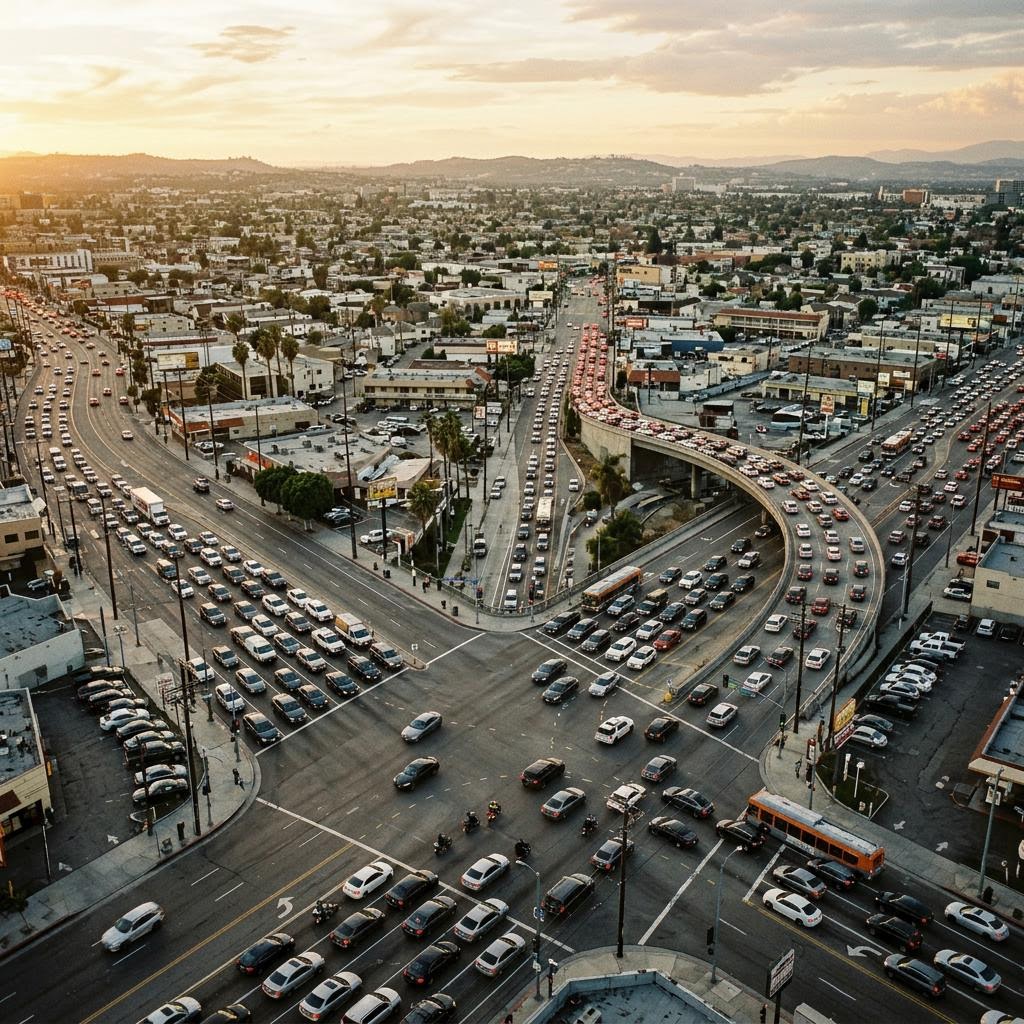
    In Los Angeles, a busy intersection can bring together turning traffic, pedestrians, bicycles, delivery vehicles, and rideshare cars in seconds. Freeway merges add another layer of speed, spacing, and visibility. When commercial vehicles or multiple lanes are involved, understanding the sequence matters.

    The local setting does not change the basic comparative fault principle, but it can make the evidence more important. Scene geometry, traffic controls, dashcam footage, vehicle data, and independent accounts may help explain what happened.

    Common questions

    California Comparative Fault FAQs

    Don’t assume you have no claim

    Understand How California's Fault Rules Apply to What Happened.

    If you were injured in Los Angeles or Southern California and believe you may share responsibility for the accident, CD LAW can review the circumstances and help you understand your legal options.
    No Fee Unless We Win