CD LAW
Custodio & Dubey LLP — Editorial Staging
High temperatures can place significant stress on the body, and the risk can increase when homes lose power or people remain exposed to heat for long periods. Preparation begins with recognizing warning signs and knowing how to respond.
Heat stroke is the most serious form of heat-related illness and requires immediate medical attention.
If heat stroke is suspected, emergency medical help should be requested immediately. While waiting for help: move the person to a cooler or shaded area when possible, begin cooling the person with cool or wet cloths, and follow emergency responder instructions.
For comprehensive information, review the CDC / NIOSH heat-related illness guidance.
Heat exhaustion may develop when the body loses substantial water and salt through sweating.
A person experiencing symptoms should move to a cooler location, reduce unnecessary clothing, use cool wet cloths and slowly drink water when appropriate.
If symptoms worsen or do not improve, medical attention may be necessary.

REST.
HYDRATE.
COOL DOWN.
Prepare before your body starts asking.

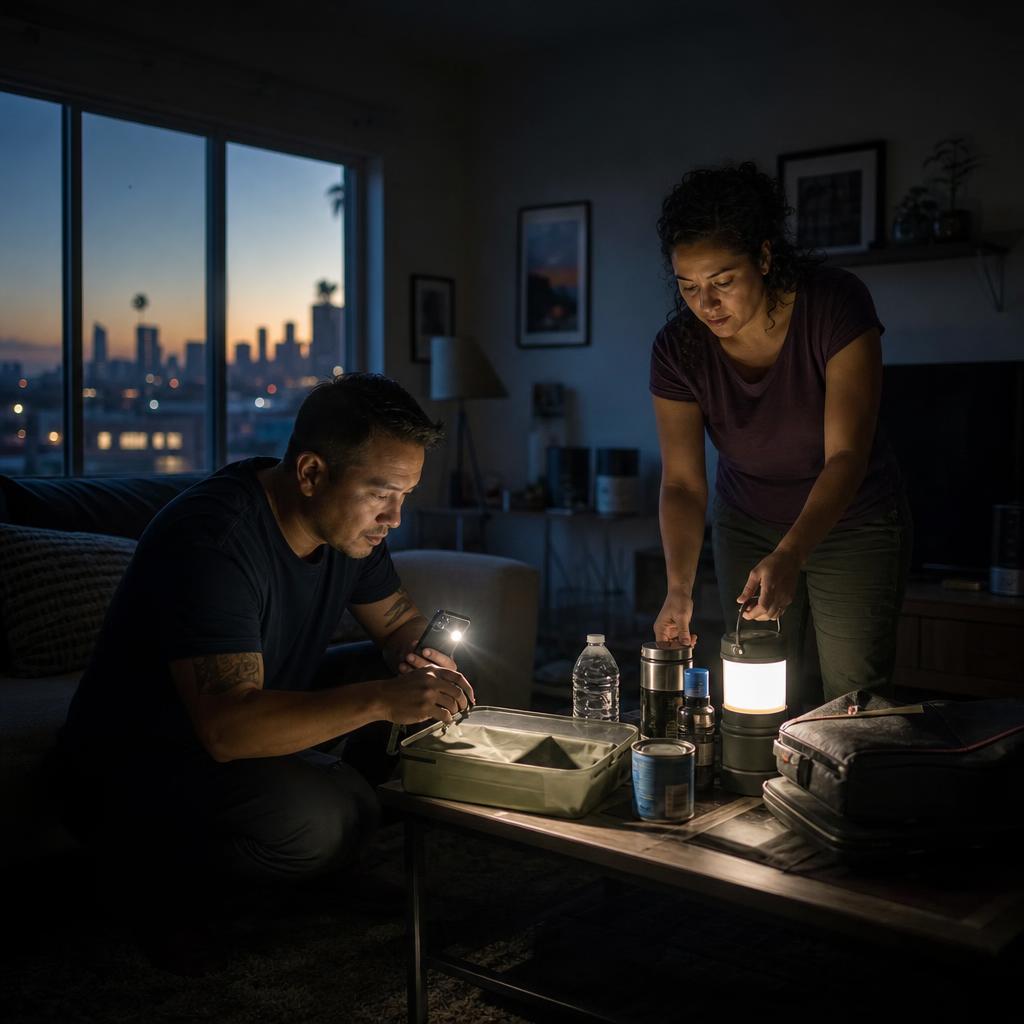
Loss of electricity during extreme heat can increase risk because air conditioning may stop, electric fans may stop, refrigeration may stop, phones and medical devices may lose charge, and indoor temperatures may rise.
Keep refrigerator and freezer doors closed as much as possible.
Close curtains or blinds during the hottest part of the day.
Continue hydrating throughout the outage.
Avoid unnecessary strenuous activity.
If the home becomes dangerously hot, consider going to an air-conditioned public location.
Contact relatives, older neighbors and others who may need assistance.
Keep phones and important devices charged ahead of expected outages whenever possible.
Preparing before a heat emergency can make decisions easier when temperatures rise and electricity becomes unreliable.
An unopened refrigerator
approximately
A full freezer
approximately
A half-full freezer
approximately
...provided the doors remain closed.
Perishable refrigerated food that has remained without appropriate cooling for four hours or more may need to be discarded.
WHEN IN DOUBT,
DO NOT TASTE FOOD
TO TEST WHETHER IT IS SAFE.
It can build up quickly and can be fatal.

Call for local info
311
for assistance finding public resources
Residents can check the official City of Los Angeles extreme heat / cooling resources page for current locations and operating hours.

"Are you okay?"
Community starts close to home.
Keep drinking water available.
Know where you can go if your home becomes too hot.
Charge phones and portable devices.
Make sure essential household supplies are accessible.
Understand refrigerator and freezer safety before an outage occurs.
Know who in your family or neighborhood may need assistance.
Check that carbon monoxide detectors function properly.
Know where to find official Los Angeles heat and emergency information.
KNOW WHERE
TO COOL DOWN.
PREPARE FOR
POWER LOSS.
CHECK ON
THE PEOPLE
AROUND YOU.