CD LAW
Los Angeles Bicycle Accidents
A bicycle collision may raise questions about fault, injuries, insurance, and what evidence exists to show what actually happened.
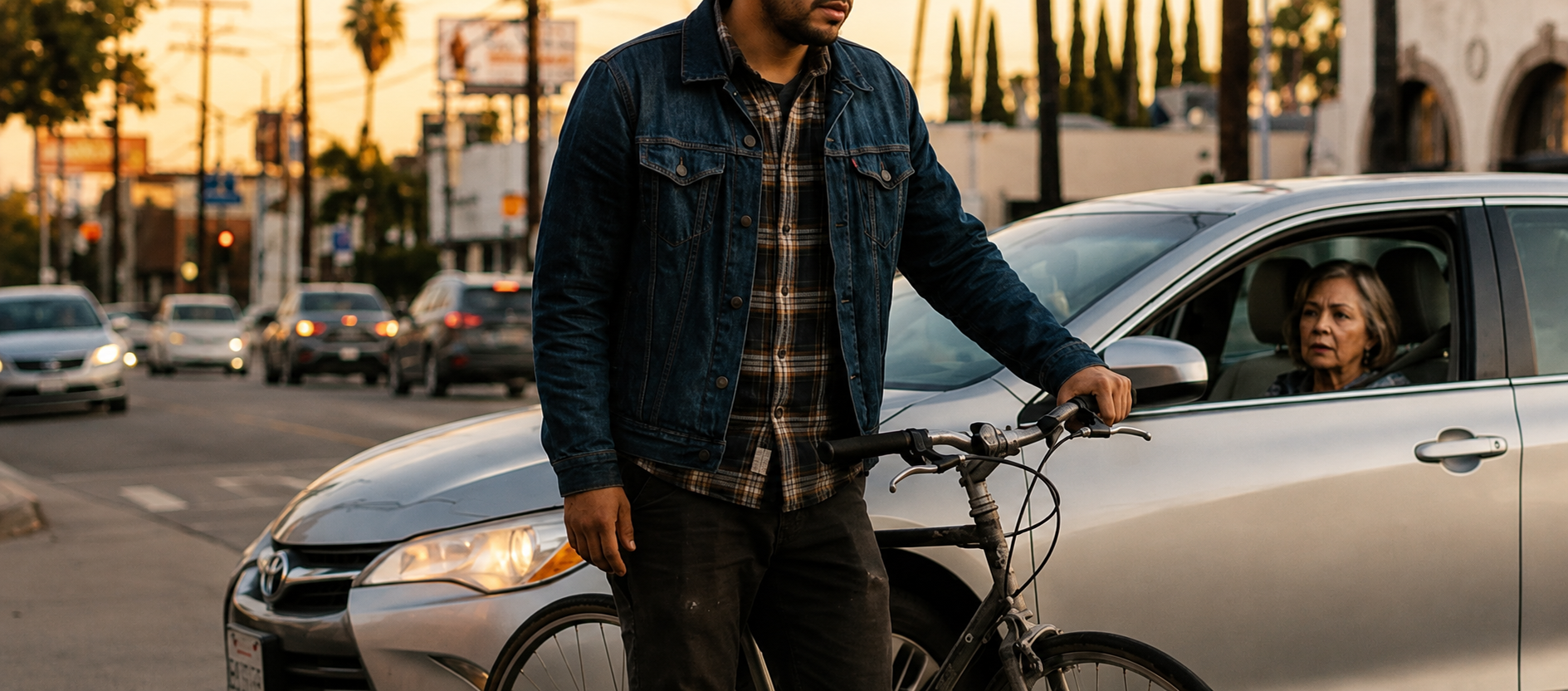
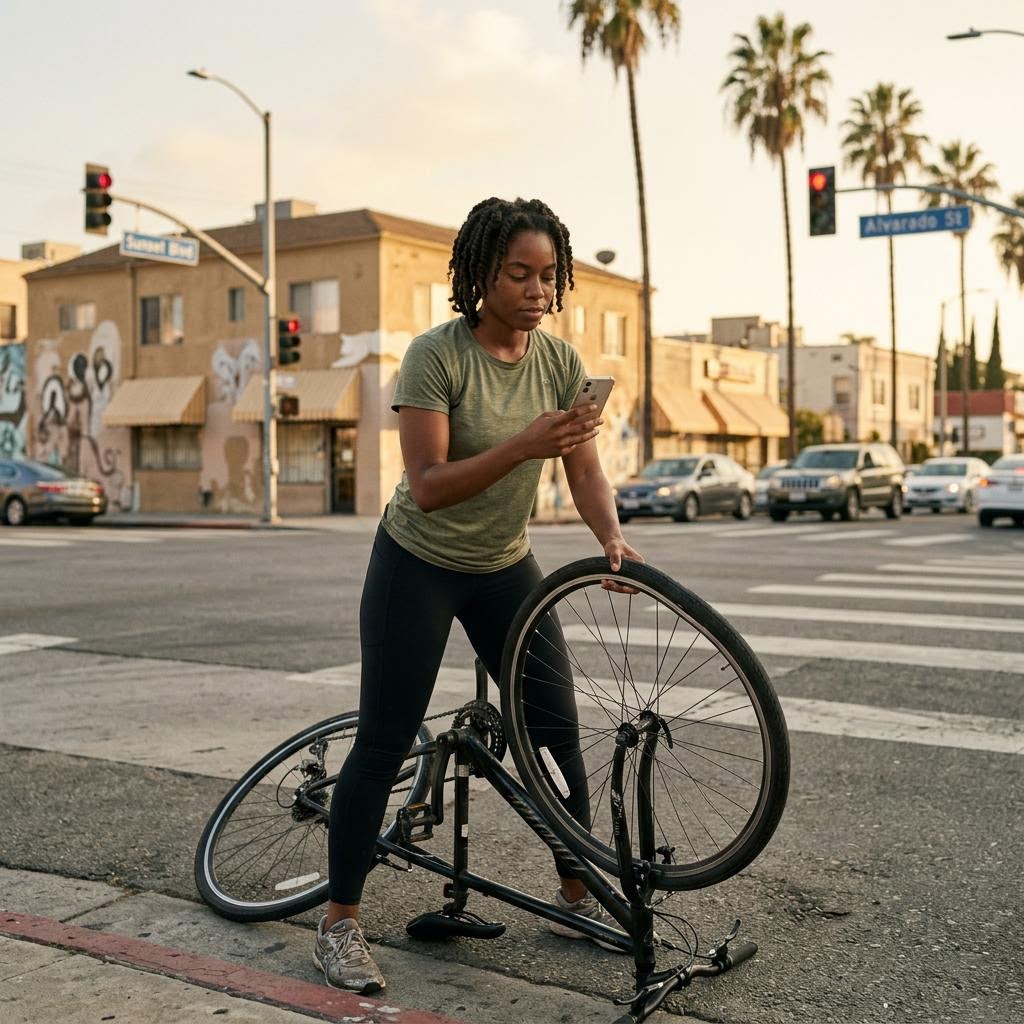
There may be no ambulance. There may be no dramatic hospital scene. The bicycle may look relatively intact. The person may even initially believe they are okay — but that does not automatically answer whether a legal claim exists.
The First Question
Bicycle Accidents
Personal Injury
Los Angeles, California
Driver Behavior
What the vehicle operator did or did not do before impact.
Cyclist Conduct
Whether the cyclist's actions may bear on the analysis.
Traffic Signals
Whether applicable signals and signs were followed.
Right of Way
Which party may have had priority at the point of collision.
Roadway Conditions
Surface quality, lane markings, and visibility factors.
Evidence
Photographs, video, witness accounts, and physical damage.

CD Law Case Result
This result does not mean someone should avoid medical treatment after an accident. Medical decisions should be based on a person's health and appropriate professional advice.
It also does not mean another bicycle accident will produce the same result. Every claim depends on its own evidence, injuries, liability, insurance coverage, and circumstances.
Past results do not guarantee future outcomes.
But that does not make skipping medical care a strategy.
A Common Concern

Whether an injury exists
The presence and nature of injuries may be harder to establish without professional evaluation.
When symptoms began
The timeline between the accident and symptom onset may become a point of inquiry.
What caused the symptoms
Connecting symptoms to the collision may require documented evidence.
Severity and documentation
The extent of any injury and whether it was properly recorded can matter significantly.
Insurance arguments
Insurers may raise questions about the delay when evaluating a claim.
What Remains After the Crash
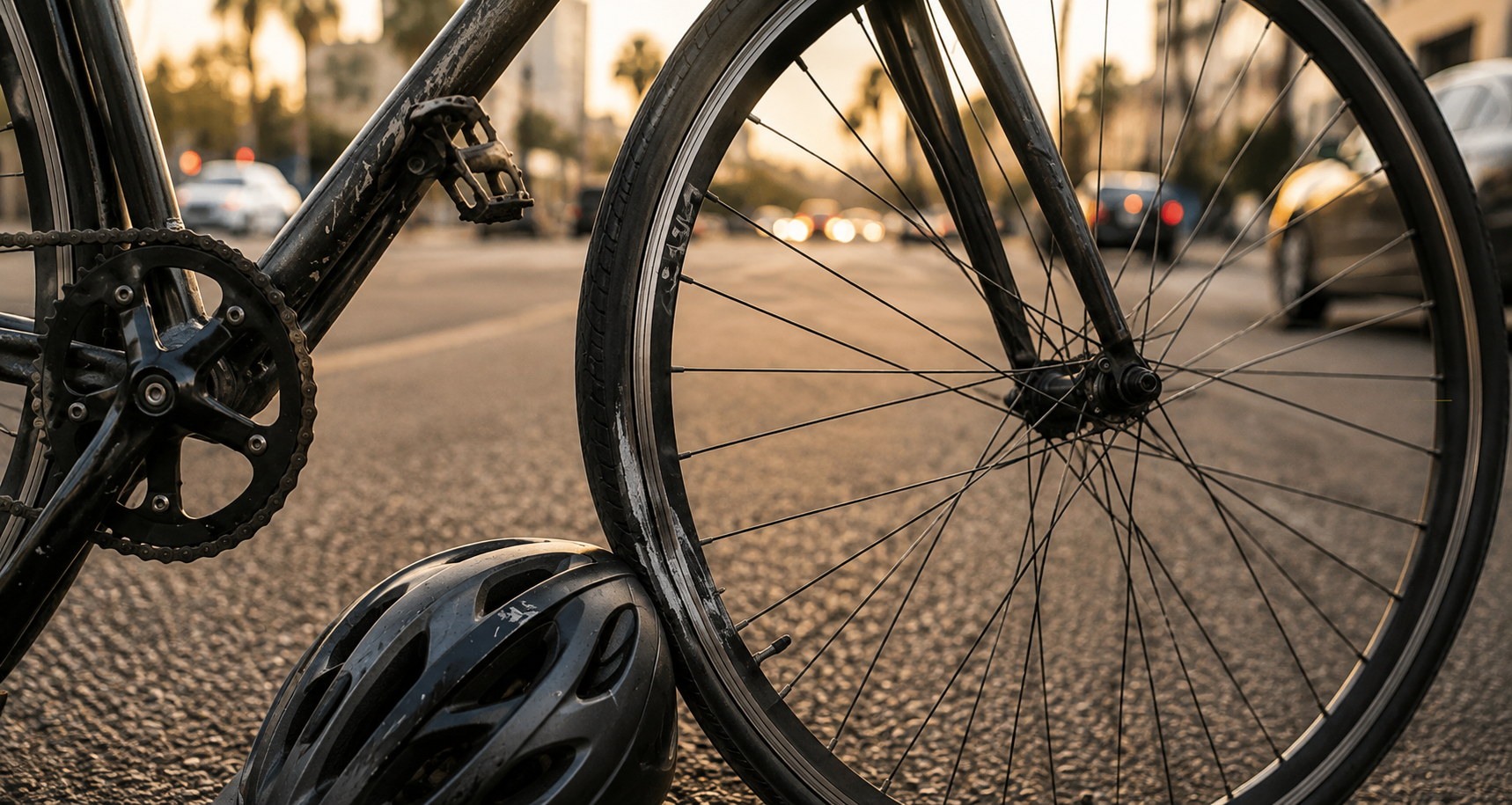
THE BICYCLE
Physical condition and damage to the bicycle itself.
VEHICLE DAMAGE
Marks and damage to the involved vehicle.
PHOTOGRAPHS
Images captured at or near the scene.
VIDEO
Surveillance or dash-cam footage, when it exists.
WITNESSES
Accounts from people who observed the collision.
TRAFFIC SIGNALS
Signal timing and visibility at the location.
ROAD CONDITIONS
Pavement quality, markings, and hazards.
POLICE DOCUMENTATION
Any official reports filed after the incident.
MEDICAL RECORDS
When applicable and available.
INSURANCE INFORMATION
Coverage available from all relevant parties.

Liability
Liability in a California bicycle accident claim depends on what actually happened — not on assumptions about who is typically at fault when a car and cyclist collide. The specific facts of the collision, including what each party was doing and the conditions present, shape how responsibility may be evaluated.
Issues that may be relevant in examining fault in a bicycle accident can include unsafe turns or lane changes, failure to yield, distracted driving, a vehicle door being opened into a cyclist's path, unsafe passing, traffic signal compliance, lane positioning, the cyclist's own conduct, and roadway or visibility conditions at the scene.
What the Collision Costs
Depending on the facts and applicable law, potentially relevant losses in a California bicycle accident claim may include the following categories. No specific outcome is guaranteed in any individual matter.
Medical Expenses
Costs of treatment related to injuries from the collision.
Future Medical Care
Anticipated ongoing treatment that may be required.
Lost Income
Wages or earnings lost during recovery from the accident.
Reduced Earning Capacity
Potential impact on ability to earn in the future.
Bicycle & Property Damage
Repair or replacement of the bicycle and related property.
Pain & Suffering
Noneconomic harm and impact on quality of life.
Other Qualifying Losses
Additional accident-related losses under applicable law.
Every Claim Differs
Outcomes depend on the specific facts, injuries, and coverage.
When Questions Remain
Injuries
Any injury, present or developing, following the collision.
Disputed Fault
When the driver or insurer contests what occurred.
Insurance Disputes
Difficulties engaging with any insurance carrier involved.
Hit-and-Run
When the vehicle that caused the collision left the scene.
Uninsured Driver
When the responsible driver may lack adequate coverage.
Bicycle Damage
Significant damage to the bicycle or other property.
Missed Work
Lost wages or inability to continue regular employment.
Unclear Coverage
Uncertainty about what insurance policies may apply.
Delayed Symptoms
Pain or limitations that emerged after the collision.
Conflicting Accounts
When versions of what happened differ significantly.
Common Questions
These answers are general and do not constitute legal advice. Every bicycle accident claim in California depends on its specific facts and circumstances.
Understand What Happened
If you were hit by a vehicle while riding a bicycle in Los Angeles or Southern California, CD LAW can review the circumstances and help you understand your legal options.
No Fee Unless We Win