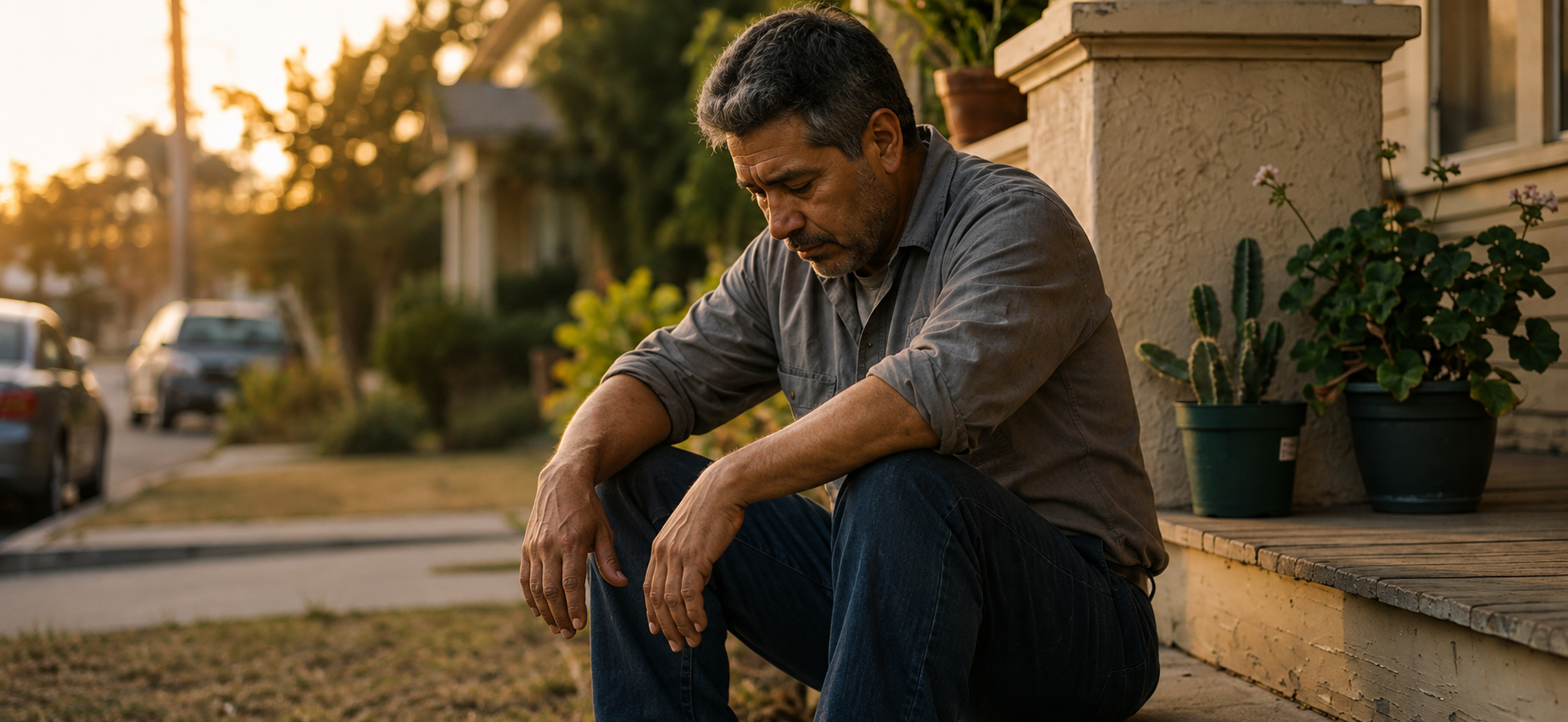

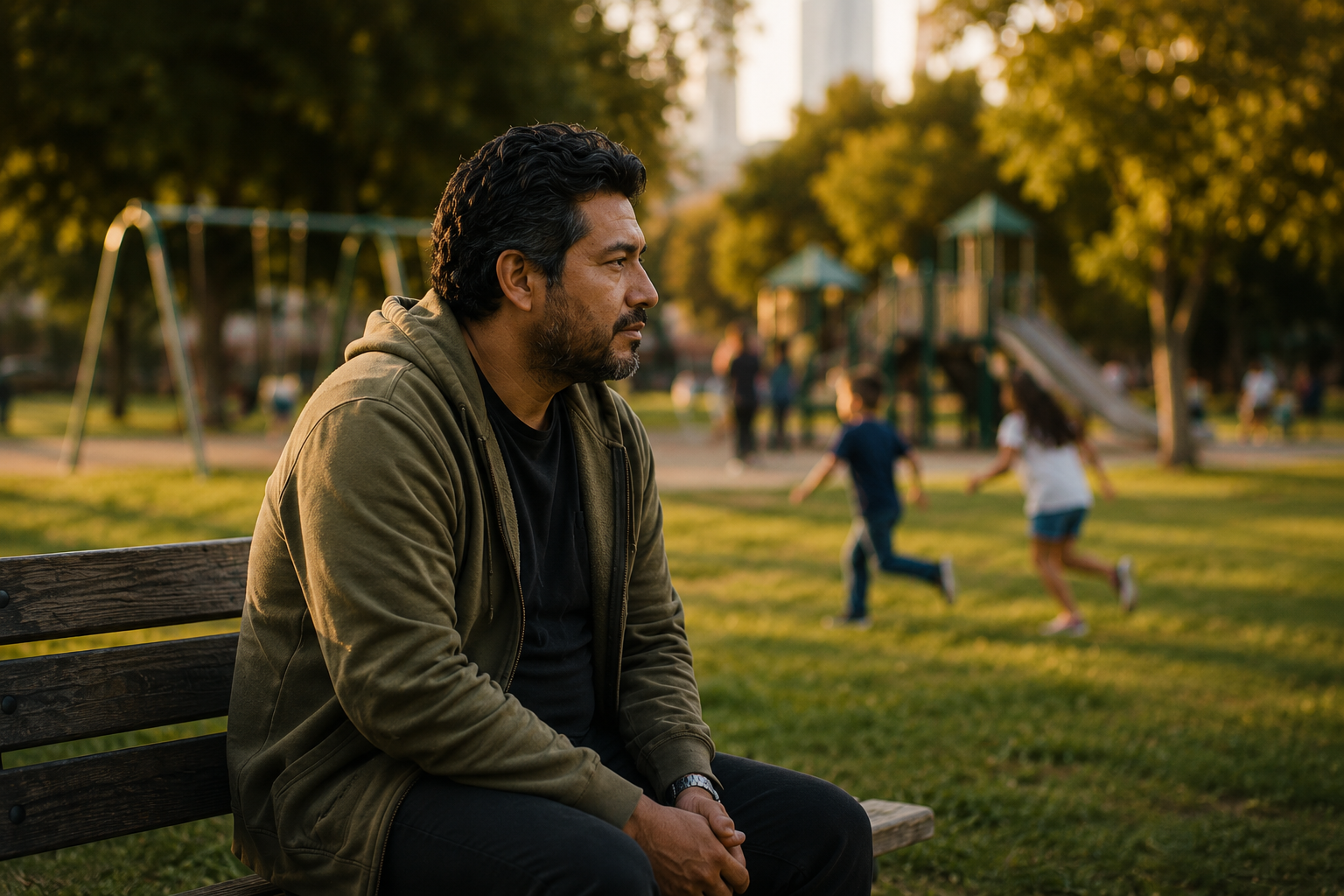
An injury can affect more than your medical bills. California personal injury claims may also consider certain human consequences that do not come with a receipt.
Some losses come with a receipt. Others do not.
Medical expenses and lost income can often be documented with numbers. But an injury can also change how someone sleeps, moves, works, spends time with family or participates in everyday life. Those human consequences may also matter when evaluating a California personal injury claim.

Unlike a medical invoice or a lost paycheck, pain and suffering does not carry one predetermined dollar value. The evaluation depends on the circumstances of the individual claim — the nature of the injury, its effects, and the applicable law.

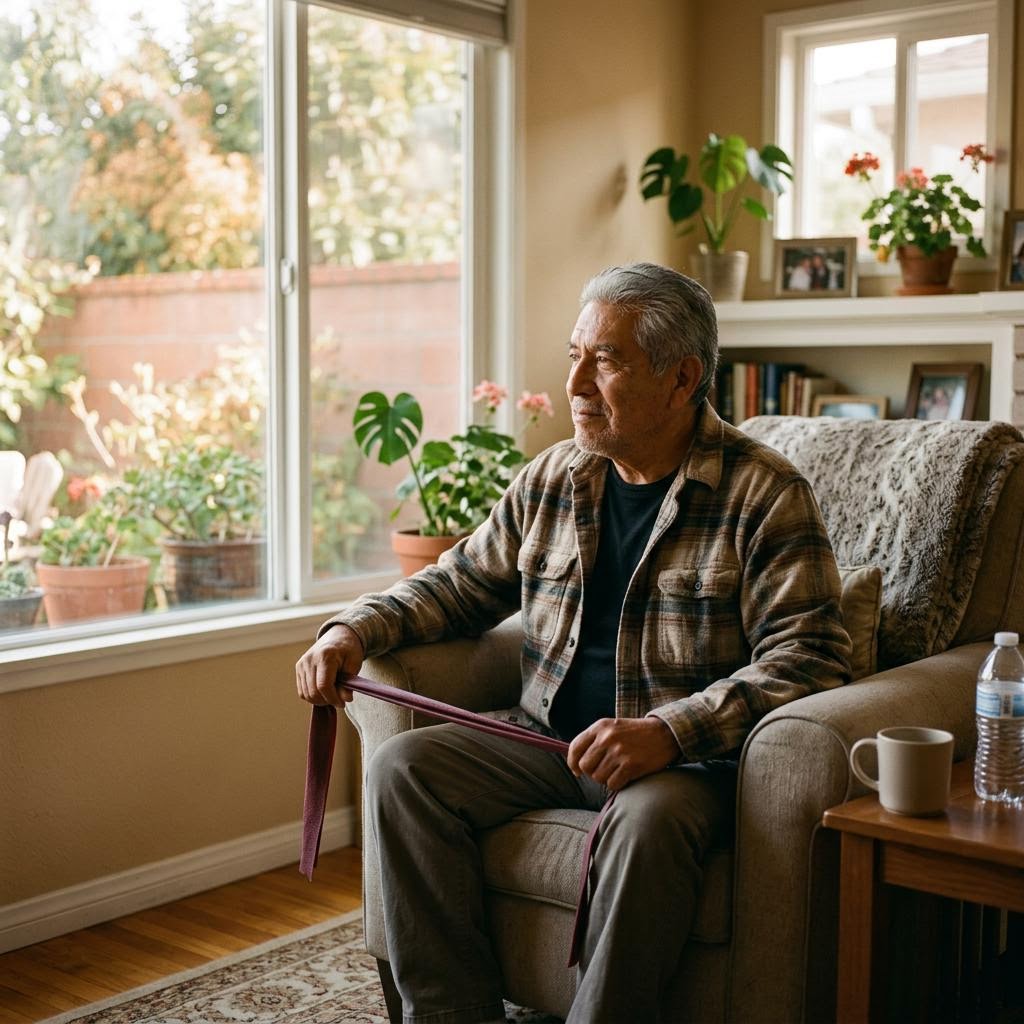
The physical discomfort and symptoms associated with an injury.
Certain emotional consequences associated with the injury and recovery.
Changes in someone's ability to participate in activities and experiences that were part of everyday life.
Restrictions on movement, independence or ordinary activities.
The disruption an injury and its treatment can create in someone's life.

The injury happened once.
The effects can follow you home.

Missed birthday.
Sleepless nights.
Months without running.
Pain while driving.
What changed after the accident?
Understanding noneconomic damages often means looking beyond the diagnosis itself and examining how the injury affected the person's actual life.
Availability and extent of noneconomic damages depends on the type of claim and applicable California law. Certain claims may involve restrictions, limitations or different rules. A case-specific evaluation can help clarify which damages may be available and what evidence may matter.
In Los Angeles, life often means commuting, physically demanding work, caring for family, driving, exercise, recreation and household responsibilities. An injury's effects on those ordinary activities may form part of the broader evaluation of damages.