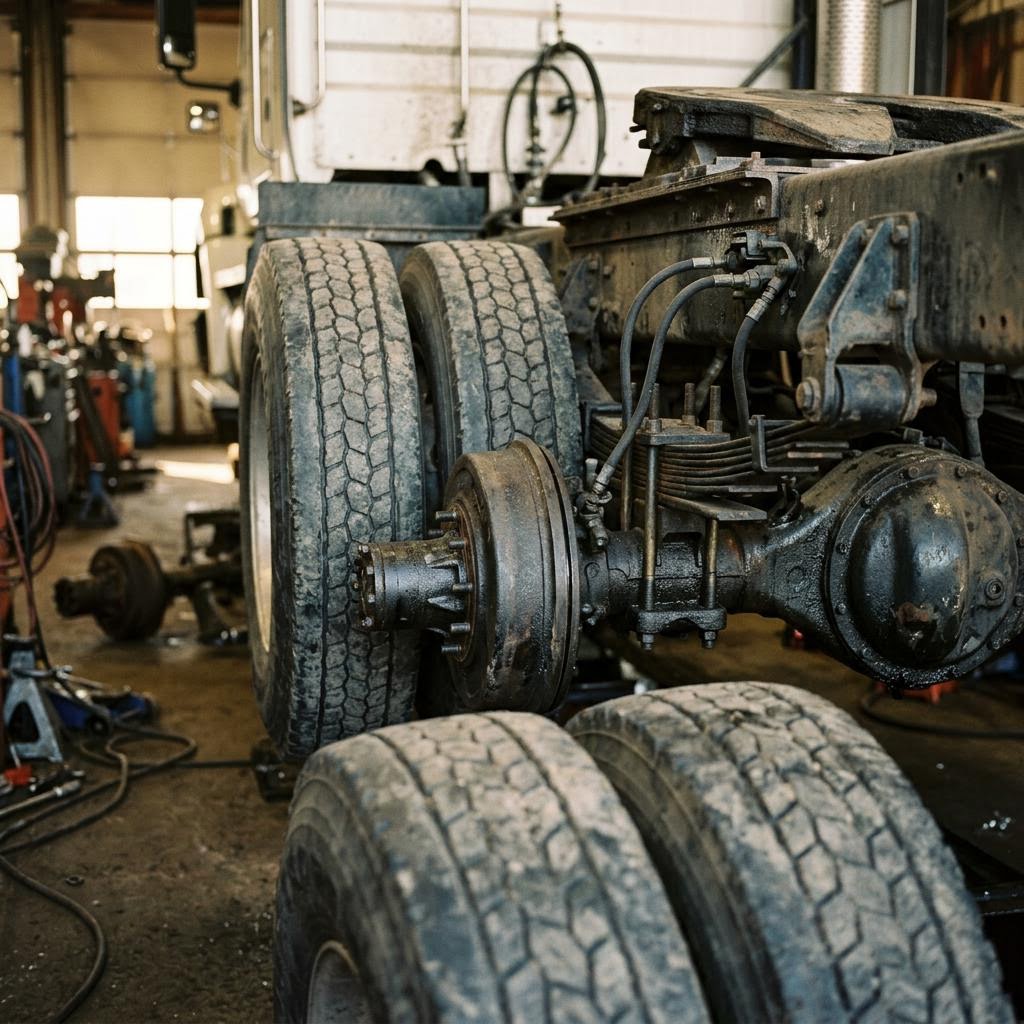

The person behind the wheel may not be the only party whose actions matter after a commercial truck accident.
Commercial trucks can involve drivers, employers, vehicle owners, maintenance providers, cargo operations and insurance coverage. Determining responsibility may require looking beyond the moment of impact.

Driver conduct may potentially be examined when determining how a collision occurred. Depending on the facts, that review can include speed, following distance, lane changes, distraction and compliance with traffic laws.
Driving conditions may also matter. Fatigue-related evidence can be relevant when supported by the circumstances, without assuming that truck drivers are unsafe or that any particular factor caused a collision.
Responsibility may extend beyond the individual driver depending on the employment relationship, company conduct, vehicle ownership or control, maintenance responsibilities and applicable legal principles.
The facts surrounding the collision remain central. An employer is not automatically responsible simply because a driver was involved.

In some cases, evidence concerning truck condition may become relevant. That can include brakes, tires, lighting, mechanical systems, inspections, repairs and maintenance records.
The existence of a record or issue does not by itself establish what caused an accident; its significance depends on the evidence.
Cargo loading and securement may become relevant if shifting, falling or improperly handled cargo contributed to an accident. The particular facts determine what should be examined.
Evidence existence and availability varies by case.
Understanding a commercial truck collision may require examining the relationships, vehicles and evidence surrounding the crash.
Commercial truck accidents may involve insurance questions different from a typical passenger vehicle accident. Potentially relevant issues can include available liability coverage, which parties are insured, multiple potentially involved parties, disputed responsibility and the extent of injuries and damages.
Coverage and responsibility are fact-specific. No outcome is promised by the presence of commercial insurance.
Damages depend on the individual claim and supporting evidence.

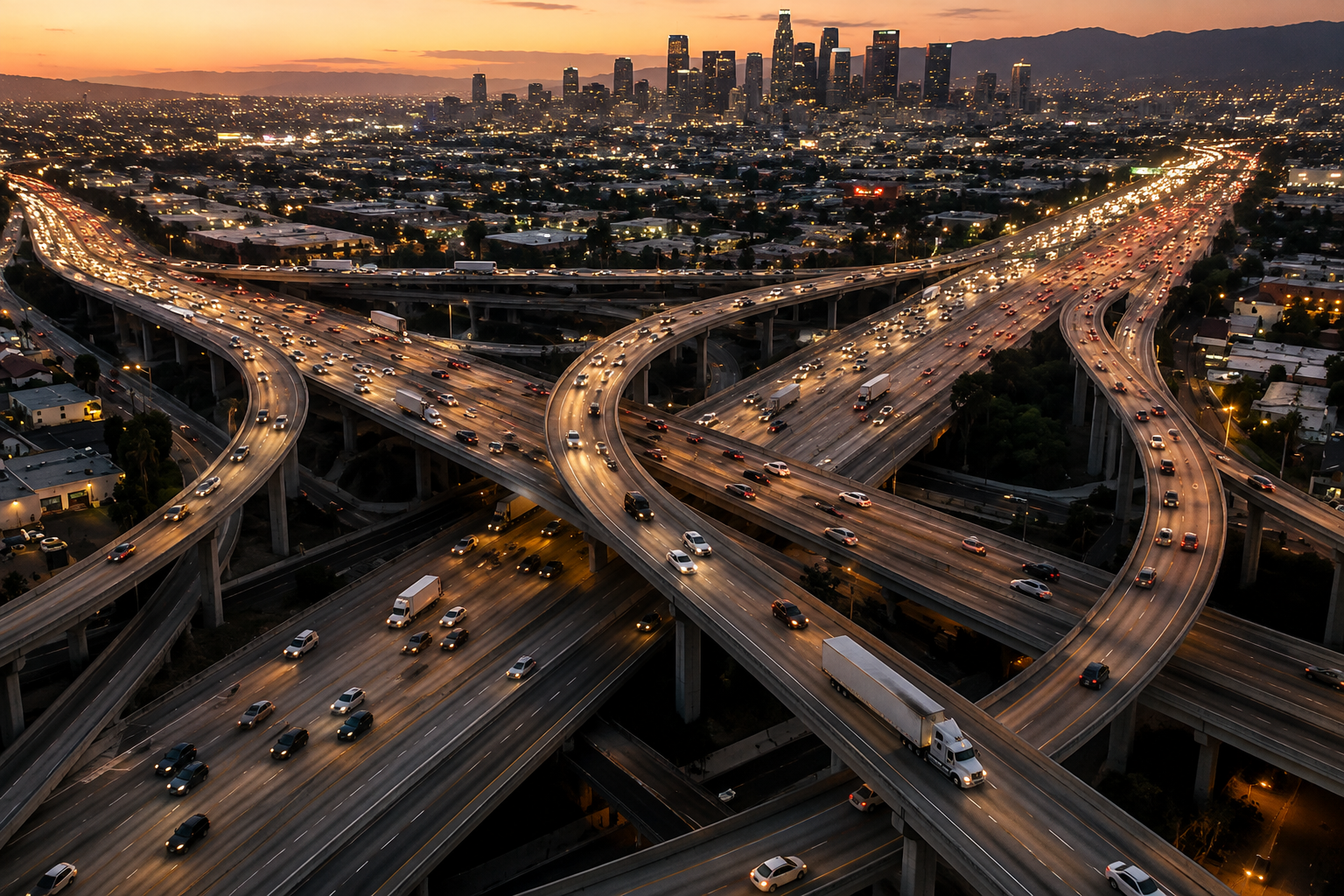
Commercial trucks move through freeway interchanges, industrial corridors, delivery routes and dense urban traffic alongside commuters throughout Southern California.
Depending on the facts, responsibility can potentially involve more than one person or entity. Legal relationships and evidence must be evaluated individually; multiple parties do not exist in every case.
If you were injured in a commercial truck accident in Los Angeles or Southern California, CD LAW can review the circumstances and help you understand which parties and insurance coverage may be relevant to your claim.
No Fee Unless We Win