
APP OFF
The driver is using the vehicle personally.
The driver's personal auto insurance may become relevant depending on the circumstances and applicable coverage.

A rideshare accident can look like an ordinary car crash. The insurance questions behind it may be very different.
In a rideshare accident, what the driver was doing at the time of the collision may affect which insurance questions need to be investigated.
The driver is using the vehicle personally.
The driver's personal auto insurance may become relevant depending on the circumstances and applicable coverage.
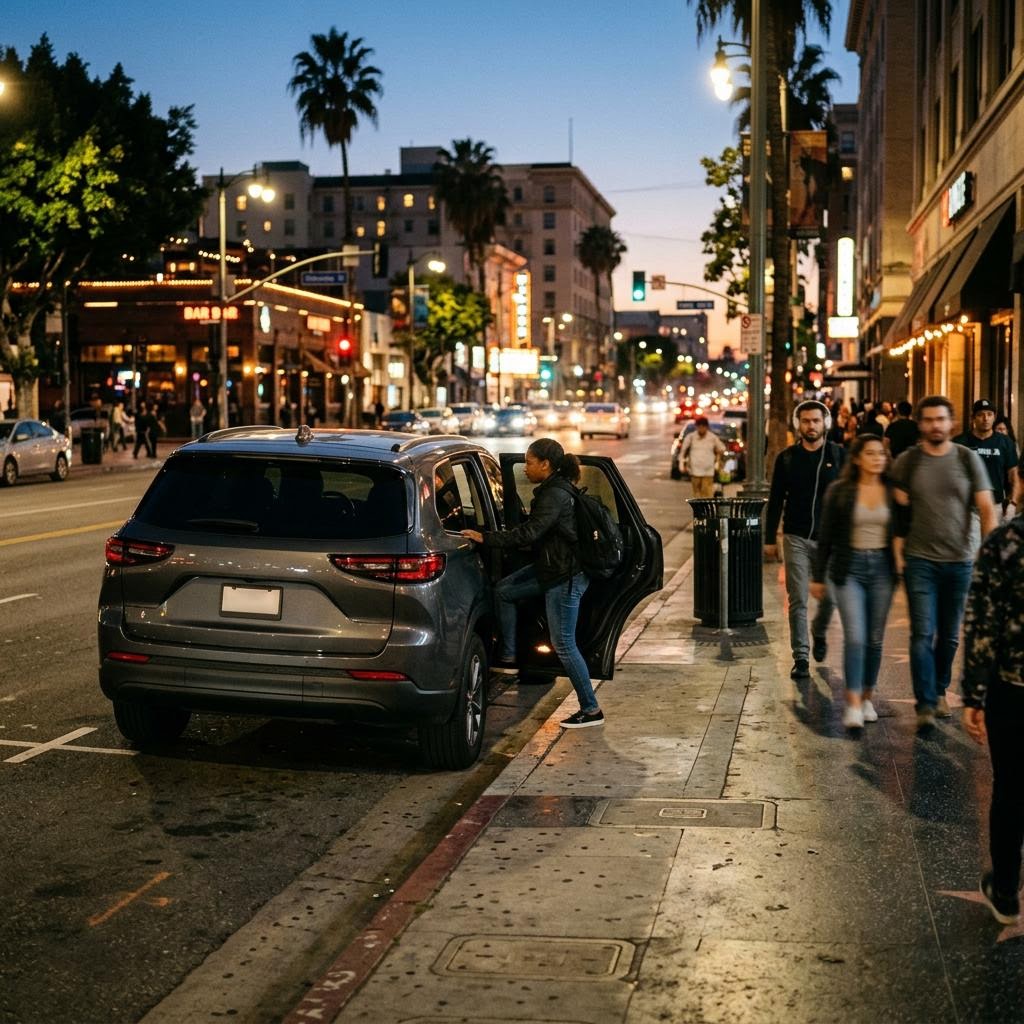
The driver is logged into the rideshare platform and waiting for a request.
Different insurance considerations may potentially apply while a driver is available through the platform.
The driver has accepted a passenger request and is traveling to the pickup location.
The driver's rideshare activity may affect the insurance analysis.
The driver is actively transporting a rideshare passenger.
Additional rideshare-related insurance considerations may potentially become relevant.
A passenger may have had little control over the way the collision occurred.
A motorist sharing the road may face a different set of questions after impact.
People walking through Los Angeles streets can be affected by a vehicle's actions.
A cyclist's perspective, injuries and available evidence may all matter.
Which insurance may apply can depend on the driver's rideshare status, the people involved, the circumstances of the collision and the applicable policies.
In a rideshare collision, understanding the driver's activity at the time of the accident may become an important part of evaluating the insurance picture.
The details collected early can help preserve a clearer account of what happened.
Images of vehicles, the roadway, surroundings and visible damage can help preserve the scene.
Names, contact information and insurance details may help identify the people and policies involved.
Independent observations can add context to how the collision unfolded.
Reports and related records may provide another account of the incident.
Treatment records help document injuries and the care they require.
Trip details may be relevant when they are available.
Platform activity may matter when relevant and available.
Physical evidence and other records may help show how the collision occurred.
A rideshare passenger may have had little or no control over how the collision occurred. An investigation may involve the rideshare driver, another driver, potentially multiple vehicles, applicable insurance, injuries and medical treatment, and evidence showing how the crash happened.
Another motorist's considerations can include who caused the collision, whether the driver was engaged in rideshare activity, which insurance may apply and what damages resulted.
Depending on the circumstances and applicable law:
Rideshare vehicles operate alongside commuters, pedestrians, cyclists, tourists, airport travelers, local residents and delivery vehicles. On a city street, a familiar car can be part of a complicated moving picture. When a collision happens, understanding that context may matter.

If you were injured in an Uber, Lyft or other rideshare accident in Los Angeles or Southern California, CD LAW can review the circumstances and help you understand the parties and insurance that may be relevant.
FREE CONSULTATIONNo Fee Unless We Win