

Losing a loved one after they were struck by a vehicle is one of the most heartbreaking tragedies a family can experience. Families searching for a pedestrian wrongful death attorney often have questions about who can be held responsible, what compensation may be available, and how California law protects surviving family members.
Fatal pedestrian accidents happen for many reasons, including distracted driving, speeding, failure to yield at crosswalks, impaired driving, commercial vehicle negligence, dangerous road conditions, and defective traffic control devices. While every case is unique, California law allows eligible family members to pursue compensation when a pedestrian’s death was caused by another party’s negligence.
This case summary explains how a fatal pedestrian accident lawsuit works in California, the legal issues investigators examine, and what surviving family members should know about protecting their rights after the unexpected loss of a loved one.
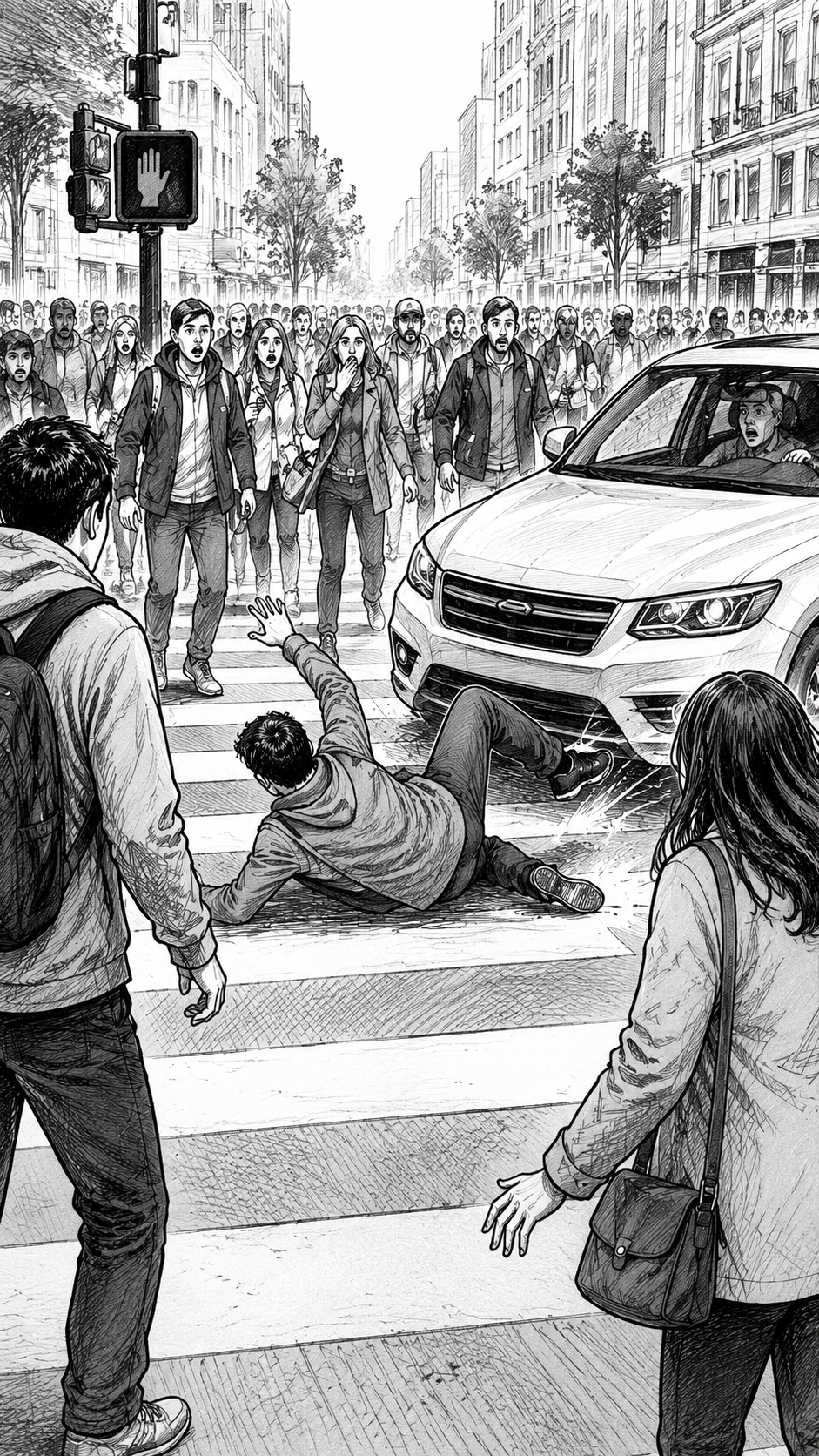
A family lost a loved one after a devastating fatal pedestrian accident on a California roadway. The collision involved a pedestrian who was struck by a passenger vehicle, commercial truck, rideshare vehicle, or another motorist. Initial investigations may reveal factors such as distracted driving, speeding, failure to yield at a crosswalk, impaired driving, or other violations of California traffic laws.
In the aftermath of a fatal pedestrian collision, surviving family members are often left facing overwhelming grief while also dealing with unexpected financial burdens, funeral expenses, lost household income, and difficult questions about who should be held legally responsible for the tragedy.
Unlike many other motor vehicle crashes, pedestrian fatalities frequently involve multiple potentially liable parties. Depending on the circumstances, responsibility may extend beyond the driver to employers, commercial vehicle companies, government agencies responsible for dangerous roadway conditions, contractors, or other entities whose negligence contributed to the fatal accident.
This guide explains how California pedestrian wrongful death claims are evaluated, what evidence may be needed to establish liability, and how families can pursue compensation when a loved one was fatally struck because of another party’s negligence.
The sudden loss of a loved one in a fatal pedestrian accident can leave a family facing unimaginable grief, financial uncertainty, and life-changing challenges. In addition to funeral expenses and the loss of household income, surviving family members often lose the companionship, guidance, and emotional support their loved one provided every day.
Pedestrian fatalities are among the most preventable traffic deaths. Whether the collision was caused by distracted driving, speeding, failure to yield at a crosswalk, impaired driving, poor roadway design, or another act of negligence, California law allows eligible family members to pursue accountability when someone else’s carelessness results in a preventable death.
Taking legal action early can help preserve critical evidence, identify every potentially responsible party, and protect your family’s ability to pursue compensation under California wrongful death law. While no lawsuit can replace the life that was lost, a fatal pedestrian accident lawsuit can provide financial stability, answers, and a sense of justice during one of the most difficult times a family will ever face.
Fatal pedestrian accident cases often involve multiple legal issues and more than one responsible party. Depending on the circumstances, liability may extend beyond the driver to employers, commercial vehicle operators, government agencies, property owners, or others whose negligence contributed to the fatal collision.

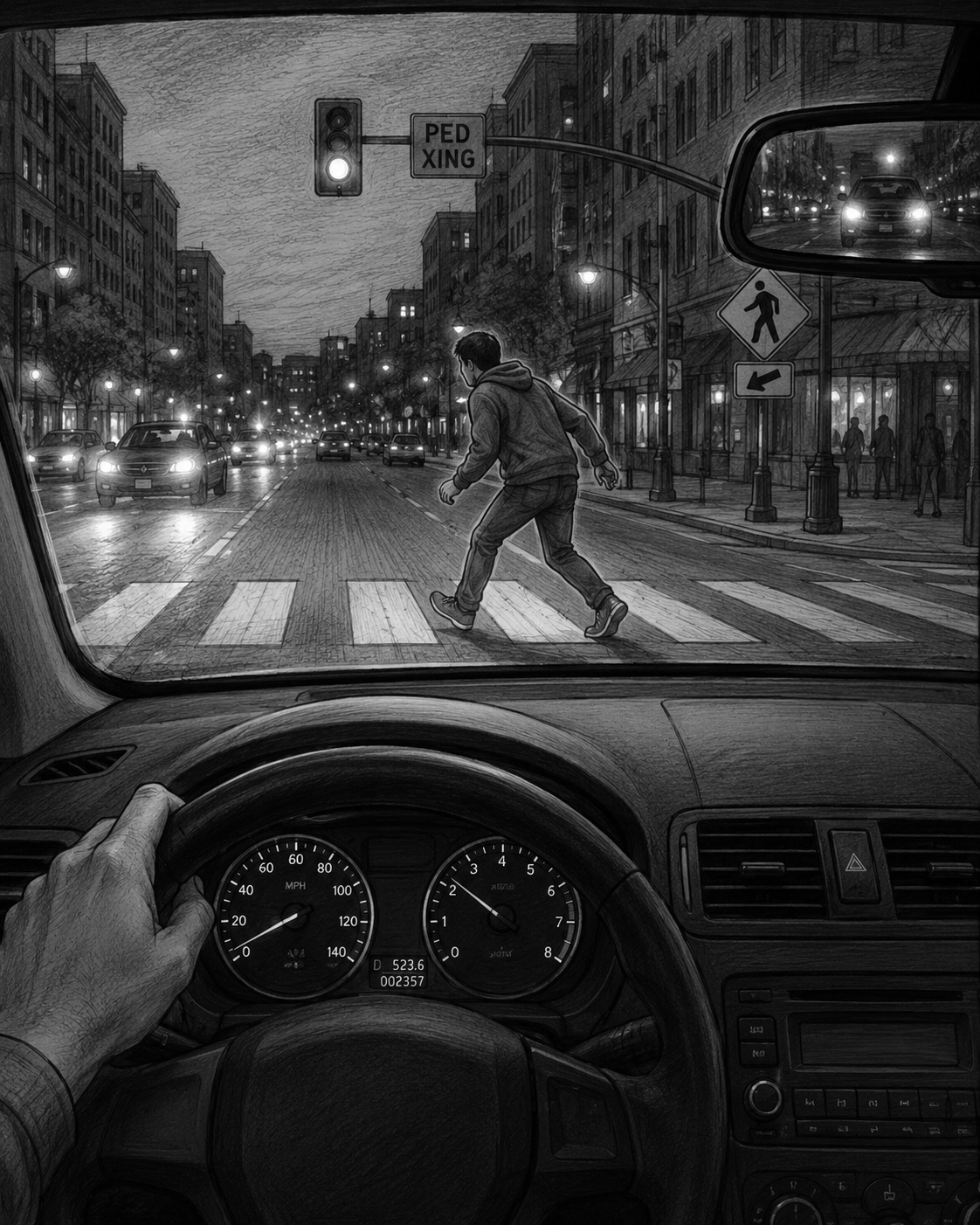
Distracted driving, speeding, impaired driving, failure to yield, and reckless driving are among the leading causes of fatal pedestrian accidents in California. Drivers have a legal duty to watch for pedestrians and obey crosswalk and traffic laws.
Pedestrians are especially vulnerable when struck by delivery trucks, rideshare vehicles, buses, or other commercial vehicles. Employers and transportation companies may also share responsibility if their driver acted negligently while performing job duties.
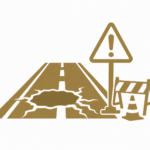
Poor lighting, missing crosswalks, malfunctioning traffic signals, obstructed visibility, inadequate signage, or unsafe roadway design can contribute to fatal pedestrian collisions. Government agencies or contractors may be liable when dangerous conditions play a role.
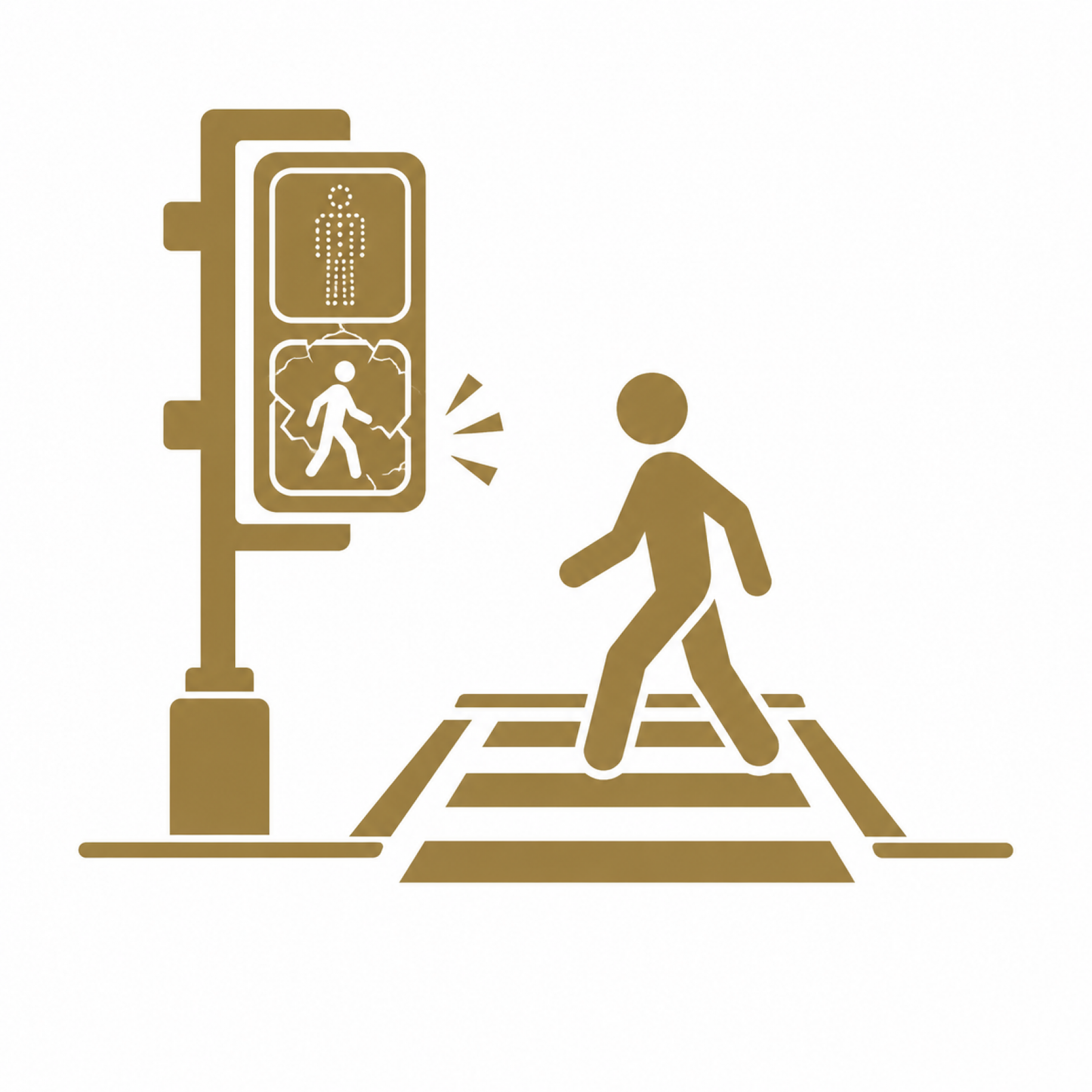
Broken pedestrian signals, defective crossing lights, poorly maintained crosswalks, or inadequate pedestrian safety features can increase the risk of serious or fatal accidents. These failures may create liability for municipalities or maintenance contractors.

When a public roadway, intersection, sidewalk, or traffic control device contributes to a fatal pedestrian accident, a city, county, or state agency may be responsible. Claims against government entities are subject to strict notice requirements and shorter filing deadlines under California law.
California law allows certain surviving family members to pursue a wrongful death claim when a loved one is fatally struck by a vehicle because of another person’s negligence. These claims are generally governed by California Code of Civil Procedure Section 377.60 and may allow eligible family members to recover compensation for the financial and emotional losses resulting from the death.
In some situations, a separate survival action may also be available. While a wrongful death claim seeks compensation for the losses suffered by surviving family members, a survival action allows the deceased person’s estate to recover certain damages the victim sustained before passing away.
Fatal pedestrian accident cases often involve complex questions of liability. Depending on the circumstances, responsibility may extend beyond the driver to commercial vehicle operators, employers, government agencies responsible for unsafe roadways, contractors, or other parties whose negligence contributed to the fatal collision.
Evidence such as police reports, surveillance footage, witness statements, vehicle data, intersection camera footage, roadway inspections, accident reconstruction reports, and photographs of the crash scene often play a critical role in establishing liability and protecting your family’s legal rights.
Learn More About California Pedestrian Wrongful Death Claims →
California law allows certain surviving family members, including spouses, domestic partners, children, and in some cases other heirs, to file a wrongful death claim when a loved one is killed in a pedestrian accident caused by another person's negligence. Eligibility depends on the specific facts of the case and California wrongful death laws.
Depending on the circumstances, liability may extend beyond the driver to commercial vehicle operators, employers, government agencies responsible for dangerous road conditions, contractors, property owners, or other parties whose negligence contributed to the fatal pedestrian accident.
In most cases, California allows families two years from the date of death to file a wrongful death lawsuit. However, claims involving government entities often require a government claim to be filed much sooner. Speaking with a pedestrian wrongful death attorney as early as possible can help protect your legal rights.
Eligible family members may be able to recover compensation for funeral and burial expenses, loss of financial support, loss of household services, and the loss of love, companionship, guidance, and care their loved one would have provided. The amount available depends on the unique facts of each case.
It is important to preserve evidence, obtain the police report, avoid discussing the case with insurance companies before understanding your legal rights, and speak with an experienced California pedestrian wrongful death attorney. Early legal action can help identify all responsible parties and preserve critical evidence needed to pursue a fatal pedestrian accident lawsuit.
If you believe your loved one’s death was caused by a negligent driver, unsafe roadway conditions, defective traffic signals, or another preventable hazard, it is important to understand your legal rights as soon as possible. Evidence such as police reports, surveillance footage, witness statements, intersection camera recordings, vehicle inspections, and accident reconstruction findings can become more difficult to obtain as time passes.
Fatal pedestrian accident cases often require immediate investigation to determine exactly how the collision occurred and who may be legally responsible. In many cases, multiple parties may share liability, including negligent drivers, commercial vehicle operators, employers, government agencies responsible for roadway safety, contractors, or other entities whose negligence contributed to the fatal accident.
Families should also be aware that California wrongful death claims are subject to strict filing deadlines. While most families have two years to file a wrongful death lawsuit, claims involving government entities often require action much sooner. Missing these deadlines could affect your family’s ability to recover compensation.
An experienced California pedestrian wrongful death attorney can investigate the collision, preserve critical evidence, identify every potentially liable party, explain your legal options, and help your family pursue justice after the devastating loss of a loved one.